Trade shows are one of the most powerful tools for businesses to showcase their products, meet potential clients, and expand their networks. However, with thousands of companies competing for attention in a crowded exhibition hall, maximizing your booth’s visibility is paramount. One of the most effective ways to achieve this is through strategic booth placement. The location of your booth can significantly influence foot traffic, customer engagement, and overall success at the event.
In this article, we’ll explore how to maximize visibility with strategic trade show booth placement. We’ll cover key factors to consider before, during, and after the trade show, with actionable insights to help you stand out from the crowd.
1. Understand the Layout and Traffic Flow
Before making any decisions about where to place your booth, it’s essential to understand the layout of the trade show floor and how traffic flows throughout the venue. Most trade shows provide an event map ahead of time, either digitally or in print. This map should be used to familiarize yourself with the layout and identify the most high-traffic areas.
High-Traffic Areas to Consider:
- Near the Entrance: This is often the most coveted spot at any trade show. Being placed near the entrance means your booth will be one of the first things attendees see when they enter the hall. People naturally gravitate toward areas that are easy to find, so being close to the entrance can boost foot traffic to your booth.
- Aisle End Cap: A corner booth or an end cap is highly visible from multiple directions, which can increase exposure. Attendees walking down the aisles are more likely to notice and approach your booth if it’s at the end of a row, where visibility is unobstructed.
- Near Keynote Areas or Presentations: If there’s a keynote speaker or a panel discussion scheduled during the trade show, positioning your booth near the venue where these events are held can attract attendees who are waiting for the next session to begin. People will have time to browse the area before and after the event, increasing foot traffic.
- Complementary Products or Services: Another great strategy is to locate your booth near companies that offer complementary products or services. For instance, if your company specializes in creating digital marketing software, positioning your booth near a printing or advertising company could attract attendees who are interested in both areas. This strategy can create synergy and lead to potential collaborations.
By understanding the layout and traffic patterns, you can strategically select a location that maximizes exposure to the right audience.
2. Leverage Booth Size and Design to Stand Out
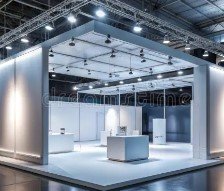
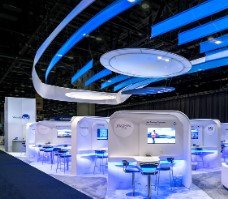
While booth placement plays a significant role in visibility, the size and design of your booth are equally important. A large, open, and visually striking booth can attract attention from across the trade show floor. However, even smaller booths can be highly effective if designed well.
Key Design Considerations:
- Open Layout: Ensure your booth is open and inviting. Avoid barriers or walls that might obstruct people from walking in. The goal is to encourage visitors to come in, ask questions, and interact with your team.
- Eye-Catching Visuals: Use bold, clear branding with large, legible signage. Include your logo and tagline prominently, and make sure your brand colors and graphics are consistent. The visuals should tell attendees exactly who you are and what you offer in a glance.
- Interactive Elements: The more interactive your booth is, the more likely attendees will stop by. Consider incorporating technology such as touchscreen displays, virtual reality experiences, or product demos. Interactive booths are more memorable and create a stronger emotional connection with attendees.
- Lighting: Strategic lighting can draw attention to your booth from a distance. Use lighting to highlight your booth’s key features or products. LED lighting or spotlighting can make your display more vibrant, which is especially effective in a dimly lit exhibition hall.
- Clear Pathways: Make sure there’s plenty of space within the booth for attendees to walk around freely. A cluttered, cramped booth can discourage people from approaching. Also, keep the booth’s path clear of obstructions, ensuring that traffic flow is smooth and natural.
3. Plan for Peak Traffic Times
Knowing when to engage with attendees is as crucial as knowing where to place your booth. Peak traffic times at trade shows are typically during the following periods:
- Opening Hours: The first few hours after the trade show opens are often when attendees are eager to explore the booths and get the lay of the land.
- After Keynote Sessions or Presentations: As mentioned earlier, attendees tend to flock toward the exhibit halls immediately after keynote speeches or presentations. Being visible and accessible during this time can provide a significant boost to your traffic.
- Lunch or Break Times: Many trade shows feature scheduled breaks, such as lunch or coffee breaks. During these times, exhibitors often notice an uptick in booth visits. Set up engaging activities, such as product demonstrations or contests, to keep attendees interested during these breaks.
By understanding when peak traffic times occur, you can optimize your booth placement and design to attract maximum attention at the right moments.
4. Build Relationships with Event Organizers
One of the most effective strategies for securing prime booth placement is to develop a good relationship with the event organizers. Many trade shows offer prime spots for returning exhibitors or companies that sponsor the event. If you’re new to the event, take the time to contact the event organizers and express your interest in securing a prime location.
In some cases, event organizers may offer special rates or discounts for exhibitors willing to sponsor certain aspects of the show, such as the welcome area, break zones, or lanyards. This partnership can significantly increase the visibility of your booth, especially if you sponsor areas that will attract large numbers of attendees.
5. Use Technology to Enhance Visibility
Technology plays an essential role in trade show booth visibility. There are a variety of tools that can help drive traffic to your booth and increase engagement. Some of these include:
- Social Media Promotion: Before and during the event, promote your booth’s location on your social media channels. Use hashtags related to the event, and encourage your followers to stop by and engage with your team. Social media promotion can help attract attendees who may have otherwise missed your booth.
- Event Apps: Many trade shows have official apps that allow attendees to browse exhibitor lists, find event schedules, and network with other attendees. Ensure your booth is listed in the app and that your profile is complete with all the necessary information.
- QR Codes: Integrate QR codes into your booth’s design to drive engagement. When scanned, these codes could lead to a special offer, product demo, or downloadable content. This will not only draw people into your booth but also keep them engaged with your brand after the event ends.
- Lead Capture Tools: Utilize digital tools for lead capture that allow you to quickly gather information from visitors to your booth. These tools make it easier to follow up with potential clients after the event and track the effectiveness of your booth placement.
By using technology effectively, you can enhance your visibility both during the trade show and in the days or weeks that follow.
6. Train Your Staff for Optimal Engagement
Even with the perfect booth placement, your success at a trade show will depend largely on the quality of interactions you have with attendees. Having knowledgeable and approachable staff is key to making the most out of your booth placement. Here are some tips to train your team:
- Educate Your Team About the Product: Ensure that your team is well-versed in your product offerings and able to answer questions confidently and clearly. The more your staff knows, the more effective they will be in making lasting impressions on visitors.
- Engagement Skills: Your staff should be able to engage with visitors in a friendly, inviting manner. They should be proactive in approaching attendees but also respectful of those who prefer to browse on their own. Teach your staff how to initiate conversations and qualify leads quickly.
- Offer Incentives: Consider offering small giveaways or incentives for attendees who visit your booth. This can create positive reinforcement for visitors and help drive foot traffic to your booth.
A well-trained and approachable staff can maximize the value of your strategic booth placement and increase your chances of converting booth visitors into long-term clients.
Maximizing visibility at a trade show requires more than just setting up a booth and hoping for the best. A strategic approach to booth placement, booth design, staff training, and technology usage can make a significant difference in your trade show success. By choosing high-traffic locations, designing an eye-catching booth, and leveraging social media and technology, you can stand out from the crowd and ensure that your brand receives the attention it deserves.
Remember, a trade show is an investment in your business’s future. Make the most of the opportunity by being intentional with every aspect of your booth, from placement to engagement. With these strategies in place, you’ll be well on your way to maximizing your visibility and achieving your goals at the next event.